


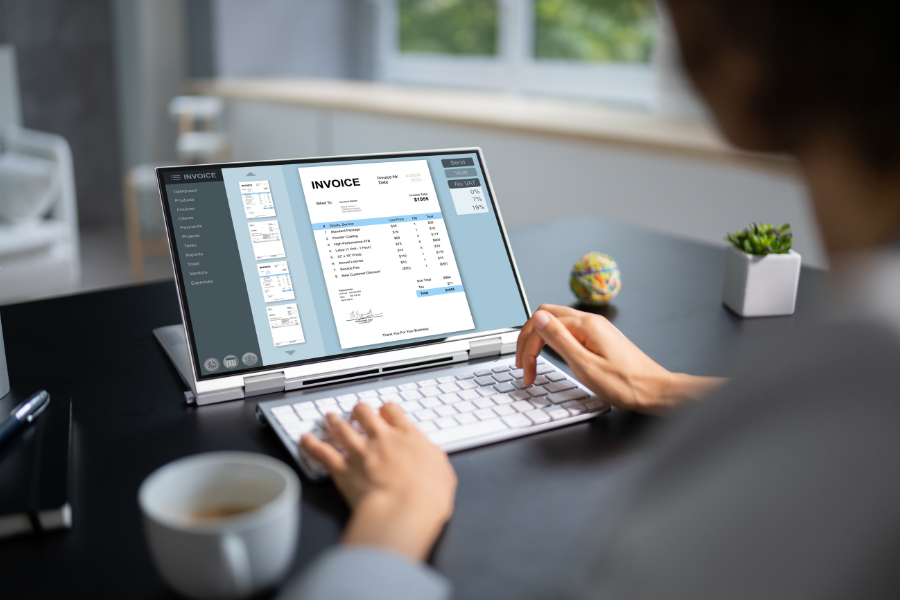
The shift toward e-invoicing UAE is no longer a future concept, it is an active transformation that businesses must prepare for now. As part of broader tax digitization initiatives, the UAE is moving toward a structured e invoice UAE framework designed to improve transparency, reduce fraud, and streamline reporting.
The upcoming mandate is not just about replacing PDFs with digital invoices; it introduces a standardized e-invoicing system UAE built on real-time or near-real-time validation and exchange mechanisms. For businesses, this means rethinking invoicing workflows, ERP integrations, and compliance processes.
To fully understand the regulatory direction, you can explore the official UAE FTA e-invoicing mandate, which outlines the foundational structure and rollout expectations.
This blog breaks down the timeline, technical framework, and what businesses should expect next, so you can move from awareness to execution.
What Is UAE E-Invoicing and Why It Matters
The concept of electronic invoicing UAE goes beyond simply generating invoices in digital format. It refers to a structured, machine-readable invoicing process where invoice data is exchanged between systems in a standardized format and validated through government-aligned infrastructure.
Unlike traditional invoicing methods, PDFs, emails, or scanned documents, the e invoice system UAE requires invoices to comply with predefined schemas, tax rules, and reporting requirements. This ensures consistency, accuracy, and audit readiness across all transactions.
From a regulatory perspective, e-invoicing enables tax authorities to monitor transactions more effectively. This reduces tax evasion risks and improves VAT compliance. From a business standpoint, it eliminates manual errors, speeds up invoice processing, and improves cash flow predictability.
For example, a company issuing hundreds of invoices daily will benefit from automated validation checks, ensuring each invoice meets compliance requirements before it is sent. This reduces rejection rates and operational delays.
To understand the detailed compliance expectations, refer to the UAE e-invoicing requirements, which explain mandatory data fields, formats, and validation rules.
Ultimately, e-invoicing is not just a compliance exercise, it is a foundational shift toward digital finance operations.
How the UAE E-Invoicing System Will Work
The UAE e invoicing model is expected to follow a decentralized framework aligned with global interoperability standards. Instead of a single centralized government portal, businesses will exchange invoices through accredited service providers, ensuring scalability and flexibility.
At a technical level, the process typically follows these steps:
- Invoice creation within ERP or billing software
- Conversion into a structured format (such as XML)
- Validation through an accredited e invoicing platform UAE
- Secure transmission to the buyer via a network
- Reporting or clearance to tax authorities (depending on model)
This system ensures that every invoice is validated before or during exchange, reducing the risk of non-compliant transactions.
A critical component of this ecosystem is interoperability. The UAE is expected to align with global frameworks such as Peppol, which enables standardized document exchange across borders. This becomes particularly relevant for businesses dealing with international clients.
To understand how this works in practice, explore Peppol BIS in e-invoicing, which explains how standardized formats enable seamless communication between different systems.
For example, a UAE-based exporter can send invoices to a European buyer using the same standardized format, reducing friction and eliminating the need for manual conversions.
This technical structure ensures scalability, compliance, and global compatibility, making it future-ready.
Real Business Scenarios in UAE
The impact of e invoice compliance UAE varies depending on the size, industry, and operational complexity of a business. Understanding real-world scenarios helps clarify how the transition will unfold.
- SMEs and Small Businesses – For smaller businesses, the biggest shift will be moving from manual invoicing (Excel or PDFs) to a structured e invoicing system UAE. While this may seem complex initially, cloud-based solutions simplify the process by automating invoice creation, validation, and submission. For example, a retail SME issuing daily invoices can use an e-invoicing platform that automatically formats and validates each invoice, ensuring compliance without manual intervention.
- ERP-Based Enterprises – Large organizations using ERP systems like SAP or Oracle will need deeper integration. Their systems must generate invoices in the required format and connect with accredited service providers. In such cases, integration layers or middleware solutions play a critical role in ensuring seamless data flow between internal systems and external platforms.
- Cross-Border Transactions – Businesses involved in international trade face additional complexity. They must ensure their invoices meet both local compliance requirements and international standards. For instance, a logistics company billing overseas clients must ensure its invoices are compatible with global networks while still adhering to local tax rules.
To explore practical compliance scenarios, refer to UAE e-invoice compliance for businesses, which outlines how different business types should approach implementation.
These scenarios highlight that while the mandate is universal, the implementation strategy is highly context-dependent.
Implementation and System Integration Strategy
Implementing an e invoicing system UAE is not a plug-and-play exercise. It requires a structured approach that aligns technology, processes, and compliance requirements.
The first step is system readiness assessment. Businesses must evaluate whether their current ERP or accounting systems can generate structured invoice formats. If not, they need to upgrade or integrate with an external e invoicing platform UAE.
Next comes integration. This involves connecting internal systems with accredited service providers. APIs, middleware, and connectors are commonly used to ensure seamless data exchange. The goal is to automate invoice generation, validation, and submission without manual intervention.
Workflow redesign is another critical aspect. Traditional invoicing processes often involve multiple manual steps, data entry, approvals, and email-based sharing. With e-invoicing, these workflows must be streamlined and automated.
For example, once an invoice is created, it should automatically pass through validation checks, get approved, and be transmitted, all within seconds.
Data accuracy becomes crucial in this setup. Since invoices are validated in real time, any missing or incorrect data can lead to rejection. Businesses must ensure their master data, customer details, tax information, product codes, is accurate and up to date.
To understand implementation requirements in detail, refer to the UAE e-invoicing requirements, which outlines technical and compliance prerequisites.
Security and compliance monitoring are also key. Businesses must ensure secure data transmission and maintain audit trails for all transactions.
In summary, successful implementation requires a combination of technology upgrades, process optimization, and compliance alignment.
Business Impact, Costs, and ROI Considerations
The transition to e invoicing UAE has both cost implications and long-term benefits. Businesses must evaluate this shift not just as a compliance requirement but as a strategic investment.
- Cost Factors – Initial costs include system upgrades, integration efforts, and onboarding to an e invoicing platform UAE. Businesses may also need to invest in training and process redesign. However, these costs vary significantly depending on the complexity of existing systems. SMEs using cloud solutions may face minimal upfront costs, while large enterprises may require significant integration efforts.
- Operational Benefits – E-invoicing reduces manual work, minimizes errors, and accelerates invoice processing. This leads to faster payments and improved cash flow management. For example, automated validation ensures that invoices are compliant before submission, reducing rejection rates and delays.
- Compliance and Risk Reduction – Non-compliance can lead to penalties and operational disruptions. E-invoicing ensures that all invoices meet regulatory requirements, reducing the risk of audits and fines.
- Strategic Advantages – Businesses that adopt e-invoicing early gain a competitive edge. They can streamline operations, improve transparency, and enhance relationships with partners.
To explore available solutions, consider the best e-invoicing service UAE, which helps businesses choose the right platform based on their needs.
In the long run, the ROI of e-invoicing comes from efficiency gains, reduced compliance risks, and improved financial visibility.
Common Mistakes and Edge Cases to Avoid
As businesses transition to electronic invoicing UAE, several common mistakes can lead to compliance issues and operational inefficiencies.
- Treating E-Invoicing as a Simple Format Change – Many businesses assume that converting invoices to XML is sufficient. In reality, compliance involves validation, transmission, and reporting processes.
- Ignoring Master Data Accuracy – Incorrect customer details, tax IDs, or product codes can lead to invoice rejection. Since validation is automated, errors must be eliminated at the source.
- Lack of Integration Planning – Poor integration between ERP systems and e-invoicing platforms can result in data inconsistencies and workflow disruptions.
- Delayed Implementation – Waiting until the mandate becomes compulsory can lead to rushed implementations and higher costs.
- Overlooking Global Compliance Requirements – Businesses involved in international trade must align with global standards as well.
To understand how e-invoicing supports broader compliance, explore global tax compliance with e-invoicing, which highlights its role in cross-border transactions.
Addressing these challenges early ensures a smoother transition and reduces long-term risks.
Conclusion
The e-invoicing UAE timeline is not just a regulatory checkpoint but a fundamental shift in how transactions are created, validated, and reported. Businesses that delay preparation will face integration pressure, compliance gaps, and operational inefficiencies as deadlines approach.
Organizations that take action early by assessing systems, upgrading workflows, and aligning with compliant platforms will gain better control, faster processing, and improved financial visibility. Solutions like Advintek can streamline this transition by helping businesses integrate and stay aligned with UAE requirements without disrupting existing operations.
The direction is clear. Evaluate your readiness, implement the right systems, and adapt before enforcement timelines force reactive decisions
Frequently Asked Questions (FAQs)
1. What is the timeline for e-invoicing UAE implementation?
The UAE is expected to introduce e-invoicing in phased stages starting between 2025 and 2026, beginning with pilot programs and expanding to wider adoption. Businesses should start preparing now by evaluating their current invoicing systems, identifying gaps, and ensuring readiness to meet compliance requirements without last minute disruptions or rushed implementations.
2. Is e invoice UAE mandatory for all businesses?
E invoice UAE will apply to most VAT registered businesses, but implementation will likely follow a phased approach based on company size, revenue thresholds, or industry segments. This means not all businesses will transition at once, but ignoring preparation timelines can create compliance risks when your specific phase becomes mandatory.
3. What format is required for electronic invoicing UAE?
Electronic invoicing UAE requires invoices to be generated in structured, machine readable formats such as XML. These formats allow automated validation, seamless data exchange, and integration with regulatory systems. Unlike PDFs or manual invoices, structured formats ensure consistency, reduce errors, and enable real time processing within compliant e invoicing environments.
4. How can businesses ensure e invoice compliance UAE?
Ensuring e invoice compliance UAE requires a combination of system capability, accurate data management, and integration with accredited platforms. Businesses must implement validation processes, conduct regular testing, and align workflows with regulatory standards. Ongoing monitoring and updates are also necessary to maintain compliance as regulations evolve over time.
5. What are the costs of implementing an e invoicing platform UAE?
The cost of implementing an e invoicing platform UAE depends on business size, system complexity, and integration requirements. SMEs can adopt cost effective cloud solutions, while larger enterprises may require customized ERP integrations. Although initial costs exist, long term savings come from automation, reduced errors, and improved operational efficiency.
6. Can e-invoicing support international transactions?
Yes, e-invoicing UAE can support international transactions when aligned with global frameworks such as Peppol. This ensures interoperability between different countries and systems, enabling faster invoice exchange and improved accuracy. Businesses engaged in cross border trade benefit from standardized processes and reduced friction in financial data handling.
7. What happens if an invoice fails validation?
If an invoice fails validation within the e invoicing system UAE, it is rejected and must be corrected before resubmission. Common issues include incorrect tax data, missing fields, or formatting errors. Frequent failures can delay payments and create compliance risks, making it critical to implement proper validation checks and testing procedures.