




Understanding UAE e-Invoicing Framework in e-Invoicing Cost Breakdown UAE
The UAE e-invoicing framework is based on a Continuous Transaction Control model where invoices are validated and exchanged in structured digital formats. Businesses evaluating e invoicing implementation costs must consider compliance requirements, invoice validation processes, ERP integration complexity, and reporting obligations. Structured invoicing improves transparency, strengthens tax reporting accuracy, and supports secure invoice exchange.
Failure to align with UAE e invoicing requirements can result in invoice rejection, reporting errors, audit challenges, and financial penalties. Businesses must ensure their invoicing systems support automated validation, secure transmission, and accurate reporting. Factors such as transaction volumes and integration requirements can influence implementation costs, making careful planning essential.

How an Electronic Invoicing System Works
An electronic invoicing system follows a structured process to ensure compliance and invoice accuracy.
Invoice Creation
Invoices are generated through ERP systems, finance applications, or invoice software UAE platforms using structured formats. This ensures mandatory tax information, transaction references, and invoice details are captured accurately.
Validation Process
The system validates invoice data against UAE compliance requirements before submission. Validation checks review tax calculations, mandatory fields, invoice structures, and reporting formats.
Secure Submission
Validated invoices are securely transmitted through approved digital channels using encrypted communication methods. This protects invoice data while supporting secure exchange and compliance.
Approval and Confirmation
Once submitted, invoices are processed and confirmed through the platform. Approved invoices are recorded for reporting purposes, while rejected invoices can be corrected and resubmitted.
e-Invoicing Cost Breakdown UAE Business Scenarios
- SMEs and Growing Businesses: Growing businesses can automate invoice validation and approvals through scalable digital invoicing solutions. Structured workflows improve billing accuracy and support compliance readiness.
- ERP-Driven Enterprises: Large organizations operating ERP environments require integrated invoicing workflows and centralized compliance controls. Automated validation and reporting capabilities improve oversight and regulatory compliance.
- High-Volume Operations: Businesses processing large transaction volumes benefit from automated invoice validation and monitoring. Structured invoicing workflows improve efficiency and reduce approval delays.
- Cross-Border Transactions: Organizations managing international transactions require secure invoice exchange and standardized reporting frameworks. Electronic invoicing solutions support accurate documentation and reduce compliance risks.
- Self-Billing and Vendor Workflows: Businesses managing vendor invoices and self-billing arrangements require automated approval and validation controls. Structured workflows improve supplier coordination and reporting accuracy.
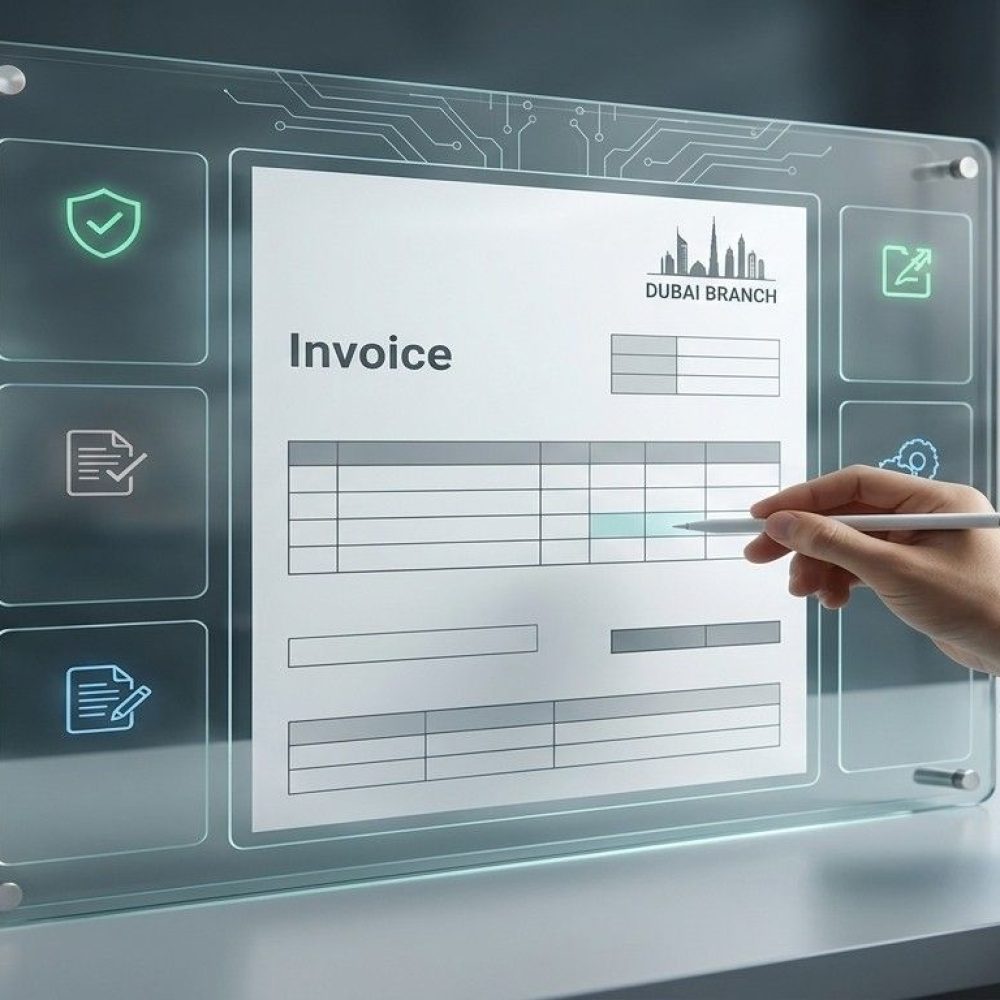

Everything You Need for e-Invoicing Cost Breakdown UAE
- System Assessment: Evaluate ERP environments, invoicing workflows, transaction volumes, and compliance readiness before implementation. A structured assessment helps identify gaps and estimate project requirements.
- ERP Integration: Integrate ERP systems, finance applications, and invoicing platforms to enable automated validation, reporting, and secure invoice exchange across business operations.
- Data Standardization:Ensure invoice structures, tax identifiers, transaction records, and reporting fields comply with UAE requirements to improve validation accuracy.
- Validation Layer Deployment: Implement automated validation controls that verify invoice structures, tax calculations, and compliance rules before submission.
- Testing and Deployment: Conduct testing across invoice generation, validation, transmission, and reporting workflows before deployment to ensure operational readiness and compliance accuracy.
Business Impact of e-Invoicing Adoption
E-invoicing adoption delivers measurable improvements across compliance and financial operations.
Operational Efficiency
Automated workflows reduce manual processing effort, improve invoice handling efficiency, and accelerate finance operations.
Improved Accuracy
Structured validation minimizes reporting errors, tax discrepancies, and invoice inconsistencies while improving overall data quality and accuracy.
Faster Payment Cycles
Digital invoice processing accelerates approvals and reconciliation activities, helping businesses improve cash flow and payment timelines.
Regulatory Compliance
Compliant invoicing processes help organizations meet UAE requirements while reducing risks associated with penalties and rejected invoices.
Scalability
Digital invoicing systems support increasing transaction volumes without significantly increasing operational complexity or resource requirements.
Better Financial Visibility
Centralized invoice reporting provides greater transparency into financial performance and supports informed decision-making.
With Confidence
Advintek helps businesses implement compliant e invoicing solutions with scalable integration, automated validation, and minimal operational disruption. Our expertise supports cost-effective deployment, regulatory readiness, and efficient invoice management, enabling organizations to achieve UAE compliance while maintaining business continuity.
Frequently Asked Questions
1. What does the UAE e-invoicing mandate require?
The UAE e-invoicing mandate requires businesses to generate, validate, exchange, and retain invoices in structured digital formats aligned with regulatory standards. Organizations must maintain secure invoice workflows and accurate reporting processes.
2. How does FTA compliance affect implementation costs?
FTA compliance impacts implementation costs through validation requirements, reporting controls, integration complexity, and invoice standardization obligations. Businesses must ensure solutions support compliance while minimizing operational risks.
3. Will UAE e-invoicing regulations continue evolving?
Yes. UAE e-invoicing regulations are expected to evolve as implementation progresses. Businesses should monitor updates and maintain flexible invoicing systems capable of adapting to changing requirements.
4. Can ERP systems integrate with invoicing solutions?
Most ERP systems support integration with compliant invoicing platforms through APIs or middleware. Integration enables automated validation, secure invoice exchange, centralized reporting, and improved efficiency.
5. What services are included during implementation?
Implementation services typically include system assessment, ERP integration, invoice mapping, validation deployment, testing, and rollout support to establish compliant invoicing workflows.
6. Are SMEs required to implement e-invoicing?
SMEs may be required to comply with UAE e-invoicing requirements as regulations expand. Early preparation helps improve readiness, reduce compliance risks, and support efficient operations.
7. How long does implementation usually require?
Implementation timelines depend on ERP complexity, transaction volumes, and integration requirements. Businesses can typically complete deployment within several weeks to a few months.
8. What are the risks of non-compliance?
Non-compliance can result in invoice rejection, financial penalties, reporting inaccuracies, and audit challenges. Implementing compliant invoicing systems helps reduce these risks.
Sharjah e-Invoices with Advintek App
Advintek Invoice Factory App is a mobile solution for Sharjah businesses that simplifies e-invoicing while ensuring full FTA compliance. It streamlines invoicing with accuracy, security, and efficiency.
Create & Manage Invoices
Sharjah FTA Compliance Ready
Direct GOVT Submission & Tracking
Download the Advintek Invoice Factory App