

Compliance Built for Sage 300 Cloud Workflows
How Sage 300 Cloud E-Invoicing Works with Advintek
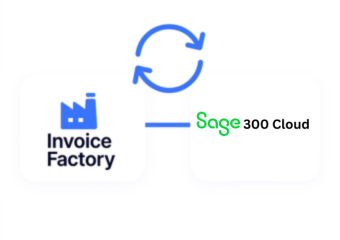
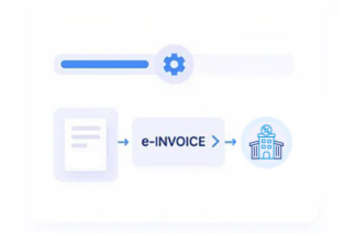
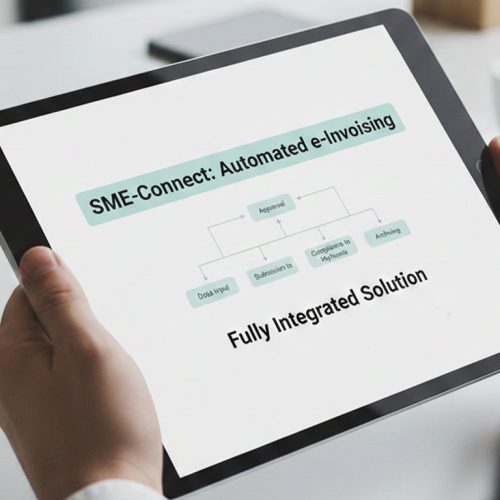
- ERP Sync: Invoice data is extracted from Sage 300 Cloud using APIs without disrupting finance workflows or online invoicing software operations.
- FTA Validation: Data is validated against Federal Tax Authority rules and UAE e-invoicing requirements before submission processing begins.
- Format Structuring: Invoice data is converted into compliant schemas aligned with e invoicing UAE frameworks and Peppol submission standards.
- Secure Submission: Validated invoices are transmitted through accredited networks to UAE regulatory systems under the UAE e-invoicing mandate.
- Status Sync: Submission confirmations and validation responses are synchronized back into Sage 300 Cloud for tracking and audit visibility.
What Does the Sage 300 Cloud Connector Enable?
Advintek extends Sage 300 Cloud with a compliance layer required for e invoicing UAE, ensuring invoice validation, structured formatting, and secure submission through FTA-aligned systems without altering financial workflows.
- Extracts invoice data from Sage 300 Cloud
- Applies UAE FTA compliance validation rules
- Converts invoices into structured compliant formats
- Submits invoices via Peppol compliant network
Why Sage 300 Cloud Users Choose Advintek
- Regulatory Alignment: Ensure invoice workflows meet UAE e-invoicing regulations and Federal Tax Authority reporting requirements across finance operations.
- Process Automation: Automate invoice validation, formatting, and submission directly within Sage 300 Cloud workflows without manual intervention.
- Operational Visibility: Maintain real-time tracking of invoice lifecycle for improved financial control and audit readiness across e invoicing UAE operations.
- Risk Control: Prevent compliance gaps by enforcing structured validation rules before invoices are submitted to UAE regulatory systems.
- Scalable Processing: Support growing transaction volumes with infrastructure designed for continuous invoicing and cloud-based reporting workflows.
Complete Control Over UAE E-Invoicing Workflows in One Platform
Error Detection and Resolution Support
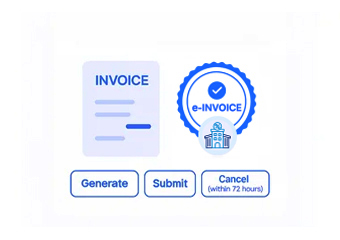
Validate invoices against UAE rules, identify errors instantly, and enable correction workflows before submission to avoid rejections.
Dashboard and Reporting
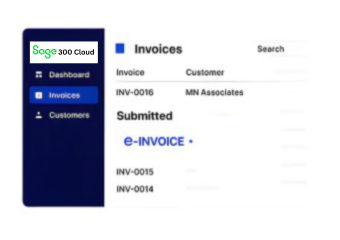
Track invoice status, validation outcomes, and submission history through centralized dashboards built for audit visibility and operational control.
Dedicated e-Invoicing Support
Access ongoing compliance support, system updates, and issue resolution aligned with UAE e-invoicing requirements and Federal Tax Authority changes.
Built for Sage 300 Cloud Users UAE
Built to support UAE businesses using Sage 300 Cloud with structured invoicing workflows aligned to UAE e-invoicing requirements and financial operations. For finance teams, CFOs, and cloud-based organizations managing compliance and high-volume invoicing.
- Supports cloud-based finance operation environments
- Enables automated invoice compliance workflows
- Integrates finance, billing, and reporting systems
- Handles growing transaction processing requirements
FTA Mandates Financial Accuracy
Ensure invoices meet UAE e-invoicing requirements directly within Sage 300 Cloud workflows without delays or manual corrections.
Connected to UAE compliance systems. Controlled through Advintek.
Ready e-Invoice System
Frequently Asked Questions - Sage 300 Cloud e-Invoicing UAE
1. Can Sage 300 Cloud support UAE e-invoicing requirements without additional integration?
Sage 300 Cloud does not natively support UAE e-invoicing compliance under Federal Tax Authority regulations. Businesses must implement an integration layer like Advintek to enable structured invoice validation, format conversion, and submission through compliant networks such as Peppol. This ensures invoices meet UAE e-invoicing mandate requirements while reducing rejection risks and maintaining compliance across financial operations and reporting processes.
2. How does Sage 300 Cloud e-invoicing UAE work with Advintek?
Advintek integrates with Sage 300 Cloud to extract invoice data, validate it against Federal Tax Authority rules, and convert it into structured formats required for electronic invoice UAE systems. It submits invoices through compliant networks and synchronizes responses back into the ERP, ensuring accurate tracking, audit readiness, and compliance with UAE e-invoicing requirements across finance workflows.
3. Will integration affect Sage 300 Cloud financial workflows?
No, the integration is designed to operate within existing Sage 300 Cloud environments without disrupting finance operations. Teams continue standard invoicing and accounting processes while Advintek handles validation, formatting, and submission in the background. This ensures compliance with UAE e-invoicing requirements while maintaining operational continuity and financial reporting accuracy.
4. How does automation improve e invoicing in UAE for Sage 300 Cloud users?
Automation enforces UAE compliance rules directly within invoicing workflows, eliminating manual validation and submission tasks. Advintek ensures invoices are structured correctly, validated against Federal Tax Authority requirements, and submitted through compliant networks. This reduces processing errors, improves operational efficiency, and allows finance teams to focus on strategic financial management instead of repetitive compliance activities.
5. Can Sage 300 Cloud handle high-volume invoicing requirements?
Yes, with Advintek integration, Sage 300 Cloud can efficiently process high invoice volumes while maintaining compliance with UAE e-invoicing standards. Automated workflows ensure invoices are validated and submitted accurately even during peak transaction periods, making the solution suitable for businesses managing large-scale financial operations and growing transaction loads.
6. How does the system stay aligned with UAE e-invoicing amendments?
Advintek continuously updates validation rules and compliance workflows to reflect UAE e-invoicing amendments and Federal Tax Authority requirements. This ensures invoices generated within Sage 300 Cloud remain compliant with evolving regulations. Businesses benefit from automatic updates without needing manual system changes or infrastructure modifications.
7. Is API integration required for Sage 300 Cloud e-invoicing UAE?
Yes, API integration is essential for enabling real-time data exchange between Sage 300 Cloud and UAE e-invoicing systems. Advintek uses secure APIs to extract invoice data, validate it against regulatory requirements, and submit it through compliant networks such as Peppol. This ensures seamless processing and adherence to UAE e-invoicing mandate requirements.
8. Can businesses track invoice status in real time within Sage 300 Cloud?
Yes, Advintek provides real-time visibility into invoice validation and submission status within Sage 300 Cloud workflows. Businesses can monitor accepted, rejected, or pending invoices across UAE e-invoicing systems. This improves operational control, supports faster issue resolution, and ensures audit readiness through complete invoice traceability.
9. What invoice types are supported under Sage 300 Cloud UAE e-invoicing?
Advintek supports standard invoices, credit notes, debit notes, and consolidated invoices within Sage 300 Cloud. Each document is structured according to UAE e-invoicing requirements and validated against Federal Tax Authority rules. This ensures compliance across different billing scenarios while maintaining reporting consistency and financial accuracy.
10. How are rejected invoices handled in Sage 300 Cloud UAE workflows?
When invoices are rejected, Advintek identifies validation errors based on Federal Tax Authority requirements and provides clear correction guidance. Finance teams can update invoices directly within Sage 300 Cloud and resubmit them through the system. This structured approach minimizes delays, prevents repeated compliance issues, and ensures faster resolution while maintaining UAE e-invoicing compliance.